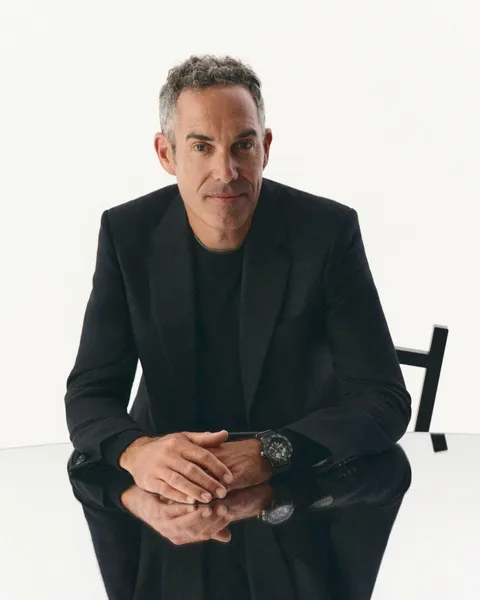
Jean-Charles Samuelian-Werve. Grandchild of refugees. Methodic optimist. Global health maverick.



Julie Bornstein. Weekend mallrat. Champion of women. Retail’s digital pioneer.



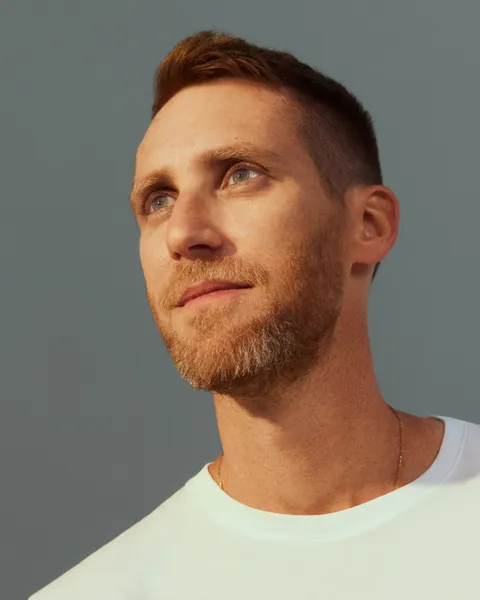
Aaron Katz. Silicon Valley roots. Fierce competitor. Real-time CEO.



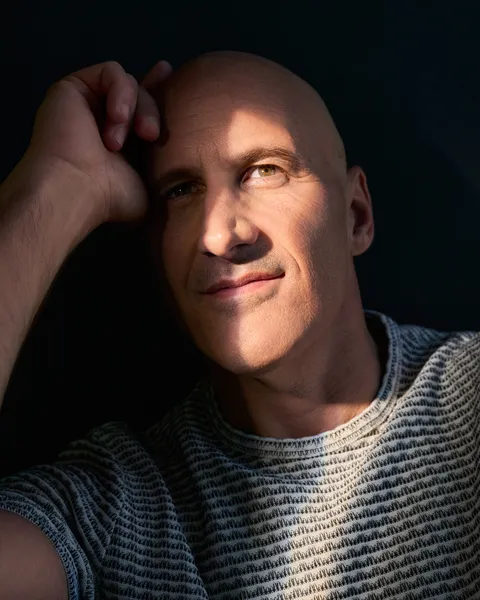
Vlad Tenev. Democratizer of finance. Iron-willed operator. Math architect.



Chris Urmson. Science-fair kid. Robotics wizard. Self-driving pioneer.



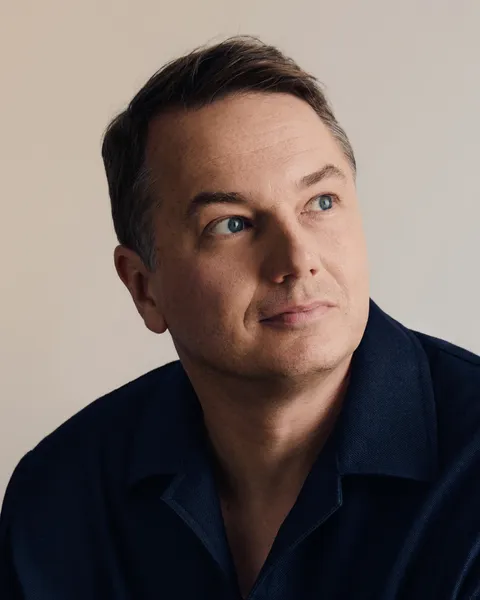
Assaf Rappaport. Global tech advocate. Team curator. Software’s fastest pace-setter.



Riccardo Zacconi. Long-distance swimmer. Lifelong risk-taker. Mobile game legend.



Dylan Field. Tech enthusiast. Futurist. Design advocate.



Linda Lian. Community builder. First generation trailblazer. Slayer of inefficiencies.



Alexandr Wang. Self-made success story. Former violin teacher. AI visionary.








News

-
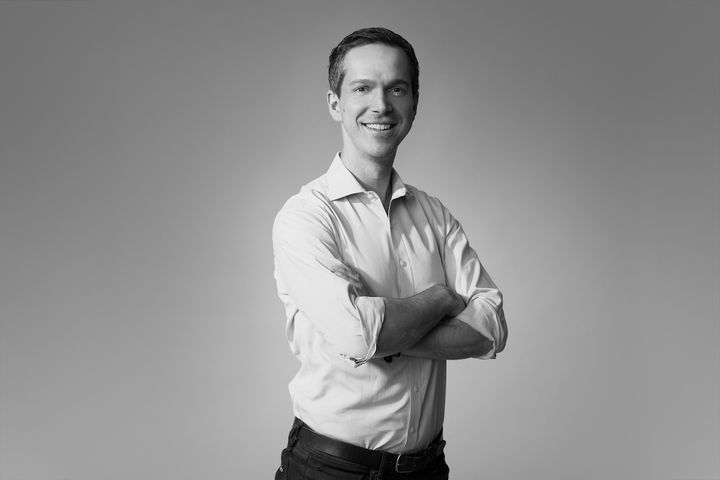 This link opens the post, "Garner: Bringing Intelligence to Healthcare’s Hardest Choice"
Garner: Bringing Intelligence to Healthcare’s Hardest Choice
-
 This link opens the post, "Building the first intelligence layer for industrial assets: Our investment in Scope"
Building the first intelligence layer for industrial assets: Our investment in Scope
-
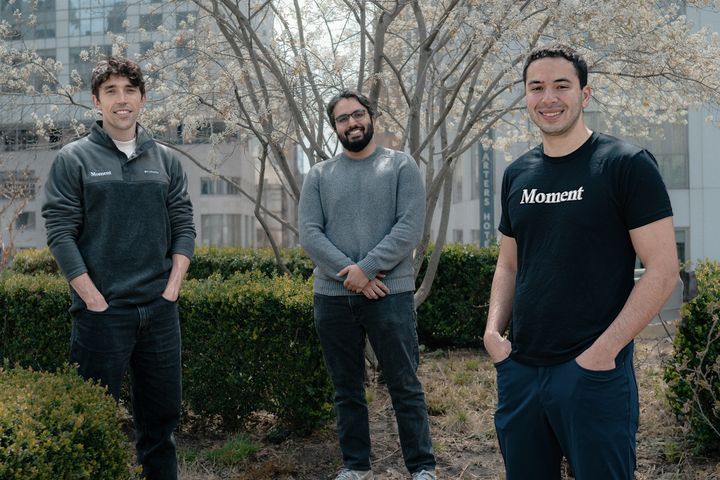 This link opens the post, "From $300B to $10 Trillion: How Moment Became the AI Operating System for Investment Management"
From $300B to $10 Trillion: How Moment Became the AI Operating System for Investment Management
-
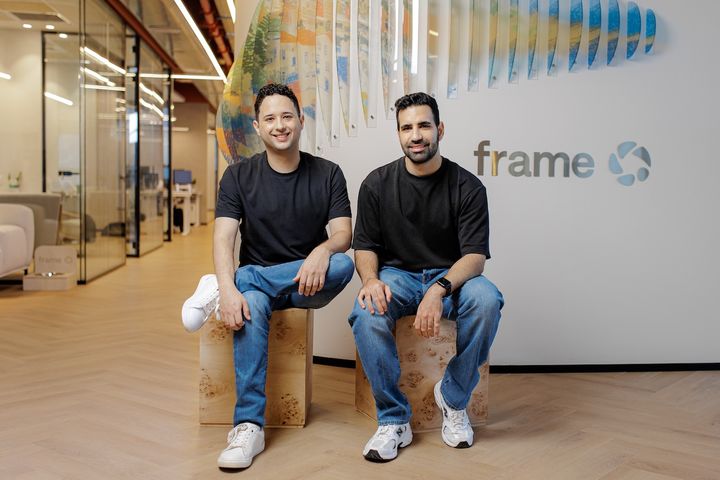 This link opens the post, "Solving the Human Risk Problem in Security: Our Investment in Frame"
Solving the Human Risk Problem in Security: Our Investment in Frame
-
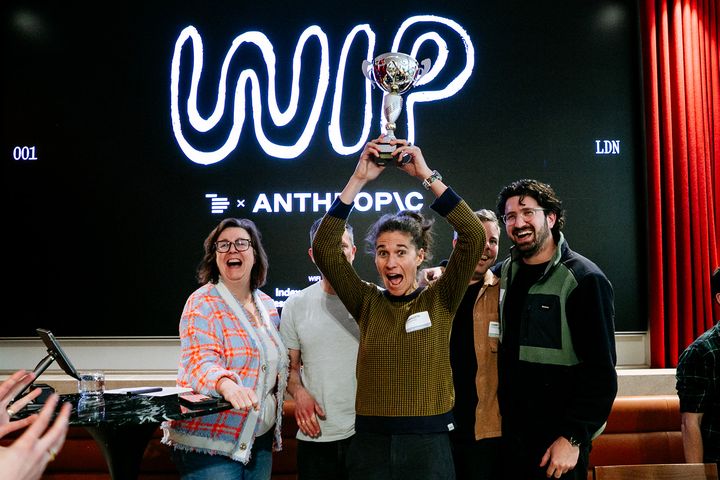 This link opens the post, "Acts of Claude: Building with Agents, a ‘Work in Progress’"
Acts of Claude: Building with Agents, a ‘Work in Progress’
-
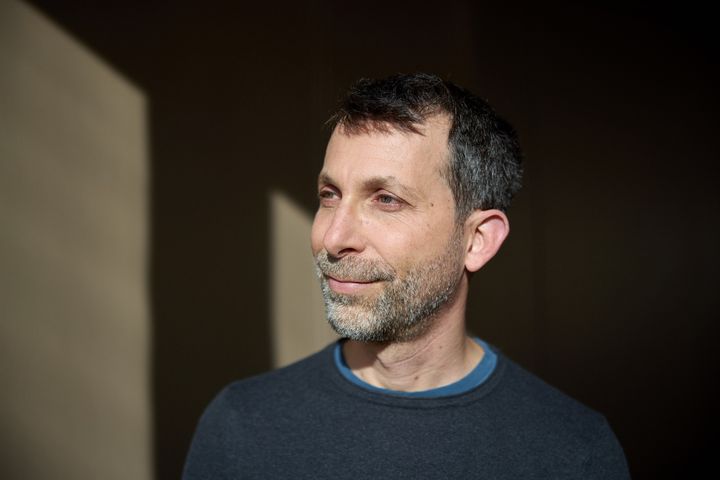 This link opens the post, "The Superlearner: Investing in David Silver and Ineffable Intelligence"
The Superlearner: Investing in David Silver and Ineffable Intelligence
-
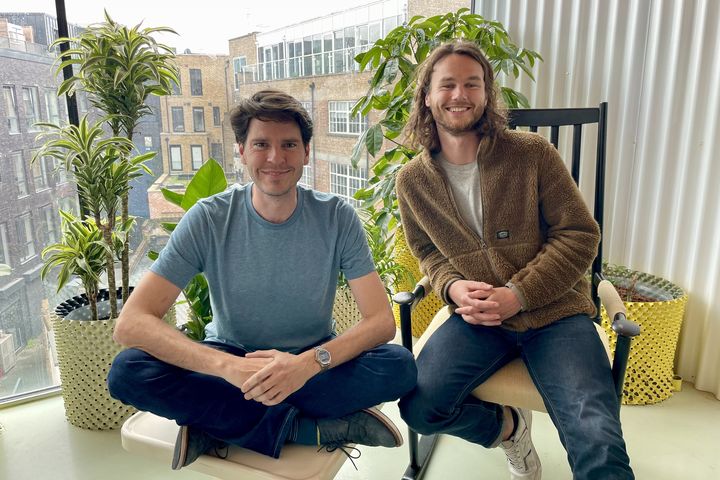 This link opens the post, "Granola: Investing in What Makes Us Human"
Granola: Investing in What Makes Us Human
-
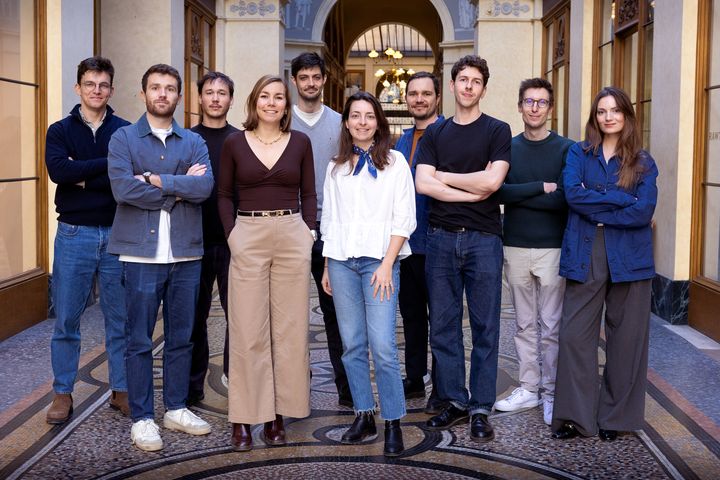 This link opens the post, "Parallel raises $20M to tackle hospital inefficiencies with AI agents"
Parallel raises $20M to tackle hospital inefficiencies with AI agents
-
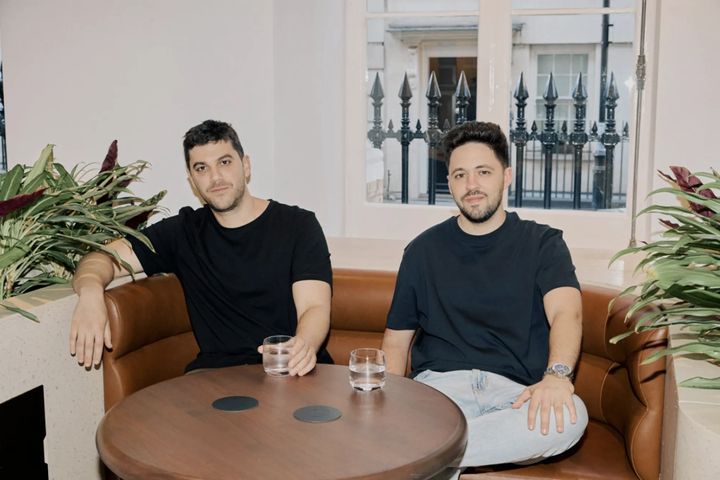 This link opens the post, "Wonderful Raises $150M Series B to Scale its Hyper-Local Enterprise AI Platform"
Wonderful Raises $150M Series B to Scale its Hyper-Local Enterprise AI Platform
-
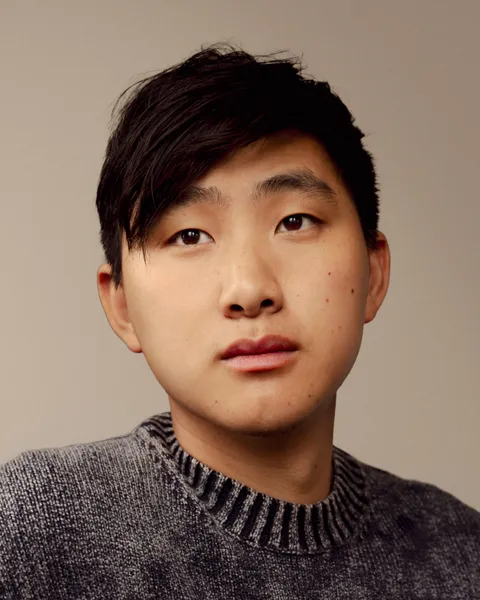
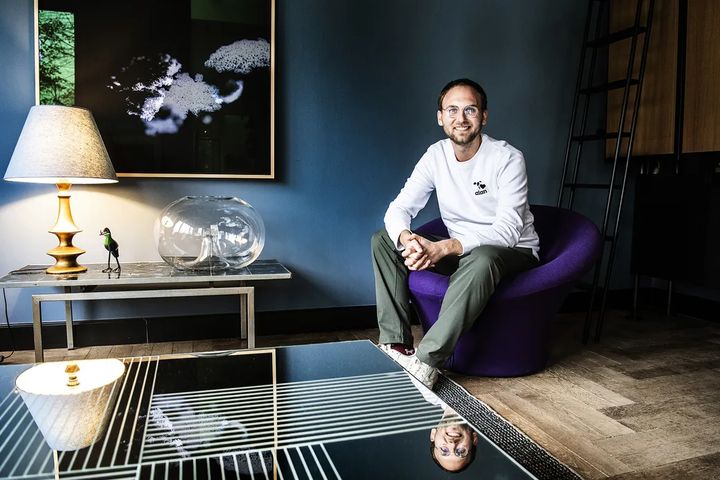 This link opens the post, "Healthcare That Knows You: Our Continued Investment in Alan"
Healthcare That Knows You: Our Continued Investment in Alan
-
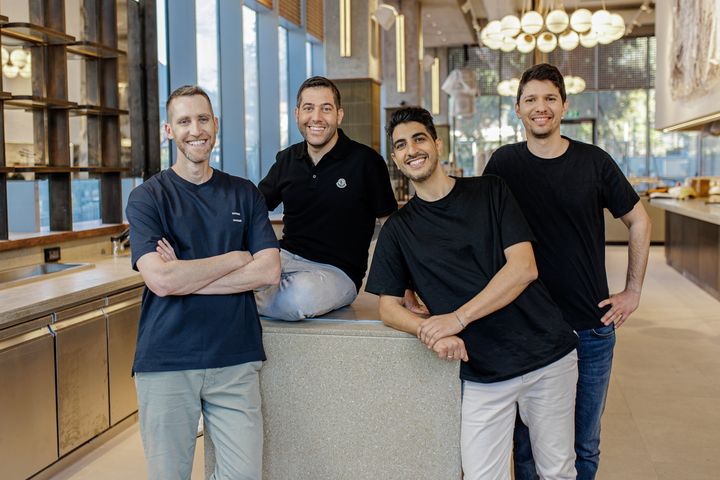 This link opens the post, "Wiz’s Grand Reveal"
Wiz’s Grand Reveal
-
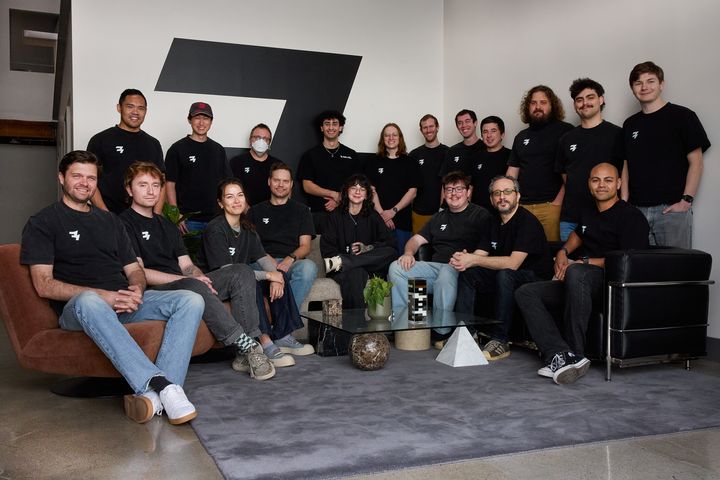 This link opens the post, "Great Hardware Deserves Great Software: Investing in Revel"
Great Hardware Deserves Great Software: Investing in Revel


Insights

-
 This link opens the post, "From Assistive AI to Authoritative Systems: How Wonderful is taking Enterprise AI out of Pilot Mode"
From Assistive AI to Authoritative Systems: How Wonderful is taking Enterprise AI out of Pilot Mode
-
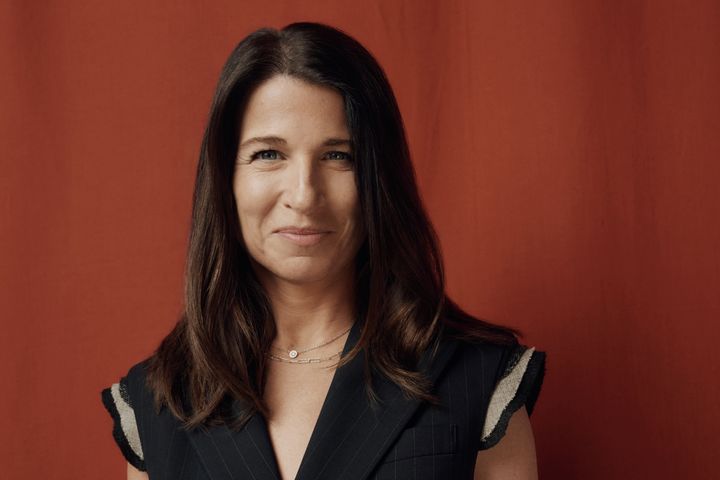 This link opens the post, "Getting Personal: Julie Bornstein’s Mission to Reinvent Shopping—Again"
Getting Personal: Julie Bornstein’s Mission to Reinvent Shopping—Again
-
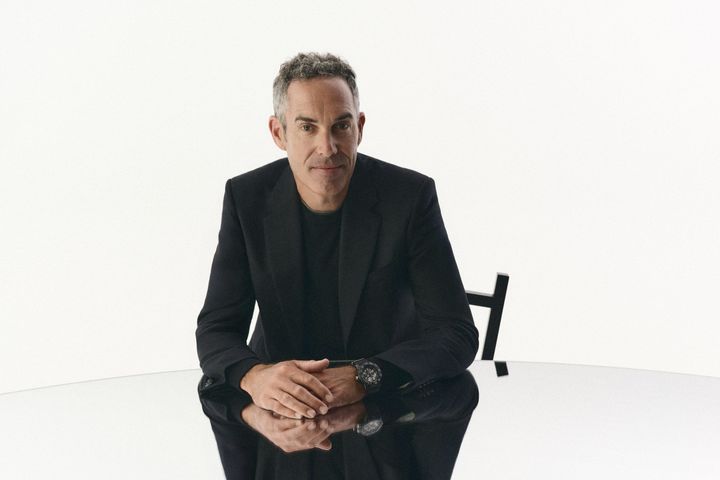 This link opens the post, "Real Time: Aaron Katz’s Journey from Salesforce to ClickHouse"
Real Time: Aaron Katz’s Journey from Salesforce to ClickHouse
-
 This link opens the post, "Trade Winds: The Rise, Reckoning and Reimagining of Vlad Tenev"
Trade Winds: The Rise, Reckoning and Reimagining of Vlad Tenev
-
 This link opens the post, "Catching up with Vidya Peters, CEO of DataSnipper"
Catching up with Vidya Peters, CEO of DataSnipper
-
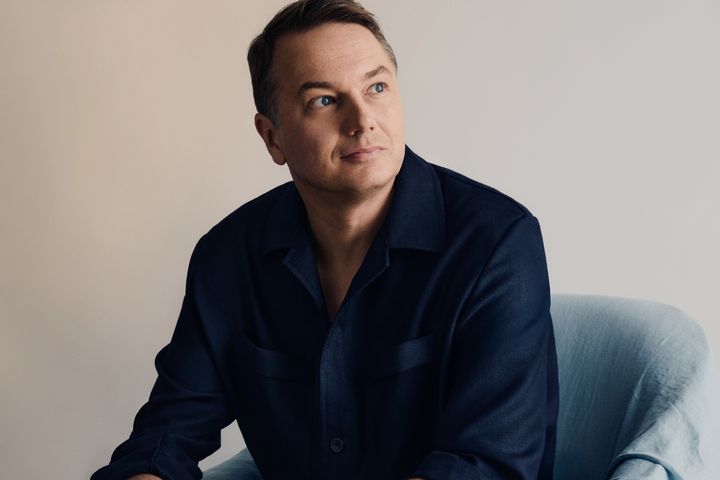 This link opens the post, "Driven: How Chris Urmson and Aurora Are Building the Future of Self-Driving"
Driven: How Chris Urmson and Aurora Are Building the Future of Self-Driving
-
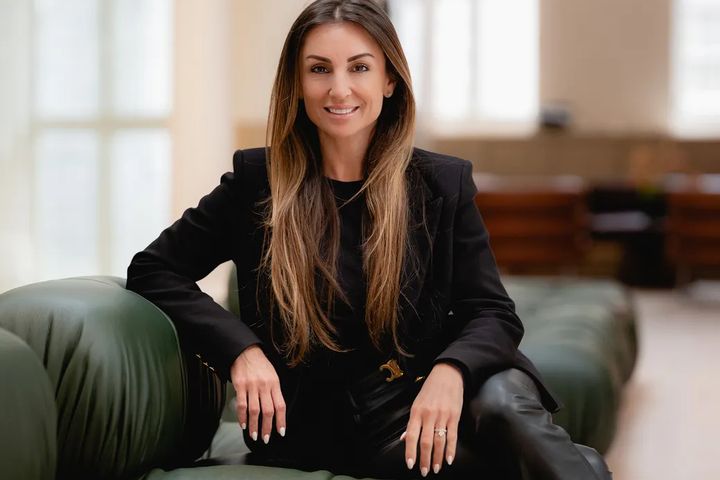 This link opens the post, "Our secret weapon for attracting world-class tech talent is broken"
Our secret weapon for attracting world-class tech talent is broken
-
 This link opens the post, "Daydream’s Julie Bornstein and Vlad Loktev on How AI is Transforming Shopping and Search"
Daydream’s Julie Bornstein and Vlad Loktev on How AI is Transforming Shopping and Search
-
 This link opens the post, "In conversation: nexos.ai co-founder Tomas Okmanas and Hannah Seal"
In conversation: nexos.ai co-founder Tomas Okmanas and Hannah Seal
-
 This link opens the post, "Candid with Index: In Conversation with Robinhood's Vlad Tenev"
Candid with Index: In Conversation with Robinhood's Vlad Tenev
-
 This link opens the post, "Power Couple: How Anine and Nico Bing Created a Global Fashion Phenomenon"
Power Couple: How Anine and Nico Bing Created a Global Fashion Phenomenon
-
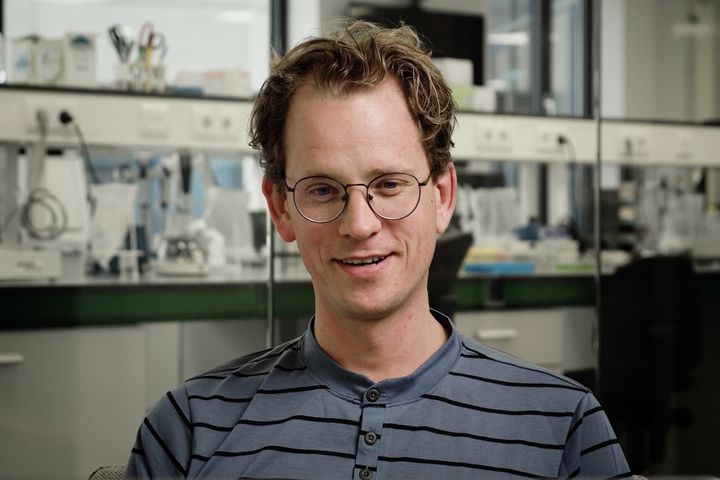 This link opens the post, "Catching up with Cradle's co-founder Stef van Grieken"
Catching up with Cradle's co-founder Stef van Grieken










All
News
Insights